
 By
By 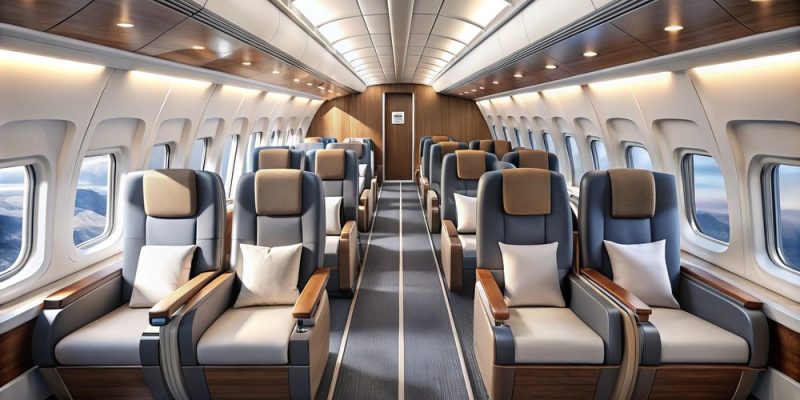
Aircraft operators face a shifting landscape. Mission requirements change constantly. Yesterday’s perfect cabin configuration might fail tomorrow’s needs. Modular upgrades offer a solution that traditional retrofits can’t match. Operators switch between configurations without starting from scratch.
Financial Flexibility Drives Adoption
Extensive interior renovations can quickly deplete financial resources. A full retrofit might cost millions and take months. Modular systems spread costs over time. Operators upgrade sections as money becomes available. The math favors gradual improvement. Replace seats this quarter; add storage next year. Each module works with existing components. You do not need to renovate everything at the same time. Cash flow stays manageable while improvements happen steadily.
Resale values benefit from modular thinking. Future buyers might want different configurations. Modular interiors adapt to new preferences easily. Fixed installations lock aircraft into single purposes. That limitation shrinks the potential buyer pool significantly. Testing happens in stages too. Operators evaluate one module before committing further. If problems arise, they affect small sections, not entire cabins. Risk stays contained while benefits accumulate gradually.
Quick Changes Match Market Demands
Business aviation needs shift rapidly. Monday’s executive transport becomes Thursday’s cargo hauler. Fixed interiors can’t keep pace with these changes. Conversion times have dropped dramatically. What once took days now happens in hours. Trained crews swap modules using basic tools. No specialists required. The aircraft returns to service quickly, generating revenue instead of sitting idle.
Seasonal adjustments make sense now. Summer vacation configurations differ from winter business setups. Sports teams need different layouts than corporate groups. Modular systems accommodate everyone without permanent compromises. Emergency response capabilities expand overnight when needed. Standard passenger modules swap out for medical or rescue configurations. The same aircraft serves multiple community needs. Operators win more contracts by offering this flexibility.
Technology Advances Enable Better Modules
Modern materials have changed everything. Compared to older aluminum parts, carbon fiber components offer a weight reduction. They are stronger, too. Weight savings translate directly into fuel efficiency and range improvements.
Connection systems evolved beyond simple bolts. Quick-release mechanisms lock securely but detach in seconds. Alignment guides prevent installation errors. Built-in safety checks confirm proper attachment. These advances make frequent changes practical.
Smart modules communicate with aircraft systems automatically. Plug in a new section and the cabin management system recognizes it instantly. Lighting adjusts. Climate control adapts. Power distribution reconfigures itself. Manual programming disappeared. Companies like LifePort pioneered intelligent module design with their PAC seating systems, which integrate sophisticated monitoring while maintaining quick-change capability for different mission profiles.
Certification Processes Caught Up
Regulatory bodies recognize modular benefits now. They’ve streamlined approval processes for well-designed systems. Each module gets individual certification. Combining certified modules doesn’t require complete recertification. Documentation stays manageable. Each module carries its own paperwork. Operators mix and match without creating novel configurations requiring fresh approvals. The regulatory burden decreased significantly.
International acceptance is growing steadily. Major aviation authorities coordinate standards for modular systems. A module certified in America works in Europe too. Global operators appreciate this simplified compliance.
Conclusion
Modular cabin upgrades solve actual problems for aircraft operators. They offer financial freedom when things are uncertain. Quick reconfigurations match changing market demands. Modern technology has resulted in modules that are lighter, stronger, and smarter than before.
Success is more likely for operators who adopt a modular approach. They readily embrace fresh opportunities. Their aircraft serve multiple purposes efficiently. Investment occurs incrementally without affecting daily operations. The increasing number of success stories will further boost the momentum for modular upgrades. The debate is no longer about whether to adopt modular design. Rather, it is about how rapidly companies can transition to it.










Comments